
What Makes a Hyperbaric Chamber Comfortable? More Than Size
A practical guide to comparing interior layout, user position, airflow, temperature, lighting and communication when choosing a home chamber.
When choosing a home hyperbaric chamber, many people first look at its outside dimensions. However, size is only one part of the comfort experience.
The interior layout, user position, airflow, temperature, lighting and communication system can also affect how comfortable the chamber feels during everyday use.
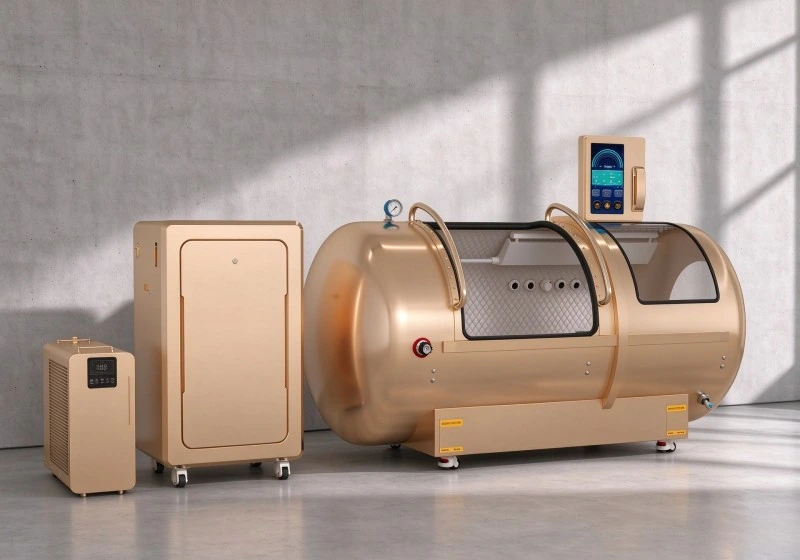
1. Interior Space Should Match the User
A personal hyperbaric chamber should provide enough room for the user to sit or lie down naturally. The user should also be able to enter, exit and adjust their position without unnecessary difficulty.
The outside size of a chamber does not always show how much usable space is available inside. When comparing an oxygen chamber for home use, review the interior layout, opening size and user position together.
2. Lying and Seated Chambers Offer Different Experiences
A lying chamber allows the user to rest horizontally. This layout may suit people who prefer to recline during a session.
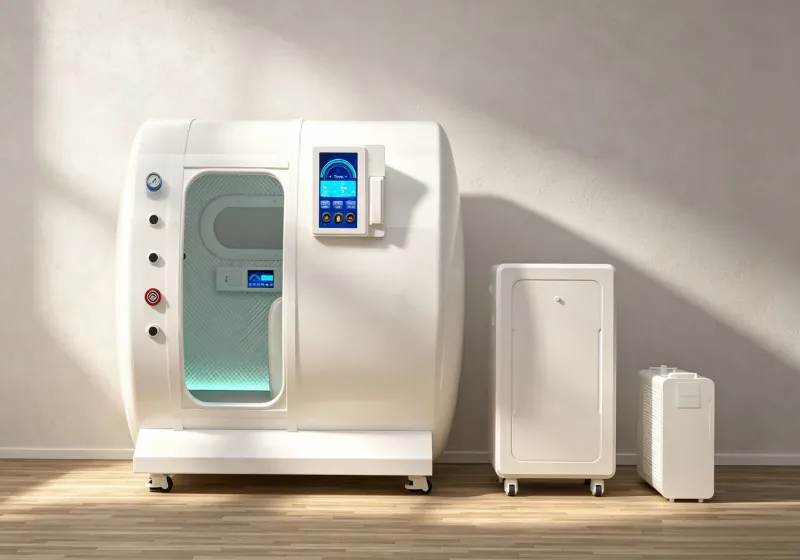
A seated chamber keeps the user upright and may be easier to place in a room with limited floor length. It can also make entering and leaving the chamber more convenient.
For example, the OxySail YF-1001 is a single-person lying model, while the OxySail YF-1002 uses a seated design. Neither layout is automatically better. The choice depends on the user’s preferred position and the available room.
3. Support Is More Important Than Extra Space
A hard shell hyperbaric chamber may include a structured seat, back support, padded surfaces and a clear entry area. These details can be more important than simply adding extra interior space.
A large hyperbaric chamber may provide more room, but a larger interior does not automatically provide better support. A small hyperbaric chamber can also feel comfortable when its seat and interior layout are properly designed.
Before buying a hyperbaric oxygen chamber, consider whether the user can remain in a natural position without excessive pressure on the back, shoulders or legs. Guidance from the Canadian Centre for Occupational Health and Safety also highlights the importance of matching seating support to the user and the task.
4. Airflow and Temperature Affect the Interior Environment
A hyperbaric pressure chamber is an enclosed space, so airflow and temperature control are important parts of the overall design. A well-arranged air circulation system helps maintain a more even interior environment, while cooling equipment may improve comfort in warmer conditions.
These features should be considered together with operating sound, control access and the position of external equipment. Thermal comfort also varies from person to person; the CCOHS thermal comfort guide explains how air temperature, air movement, humidity and clothing can influence how a space feels.
5. Visibility and Communication Add Practical Comfort
Viewing windows can make the chamber feel more open and allow the user to see the surrounding room. Suitable lighting can also improve the interior atmosphere.
A two-way communication system allows the user to speak with someone outside without opening the chamber. This is a useful feature to review when comparing a hyperbaric oxygen chamber for home.
6. What Should You Check Before Choosing?
The best hyperbaric chamber is not necessarily the largest model. A practical comparison should include:
- Lying or seated layout
- Interior support and padding
- Entry and exit space
- Airflow and temperature control
- Viewing windows and lighting
- Communication system
- External dimensions and room placement
- Pressure setting, such as a 2.0 ATA hyperbaric chamber
Comfort comes from the relationship between the user, the chamber and the room. The right home hyperbaric oxygen chamber should fit the user’s posture, daily habits and available space.
Planning an oxygen chamber project?
Share your space, capacity and configuration requirements with our team.