Hyperbaric chamber specifications often include values such as 1.3 ATA, 1.5 ATA or 2.0 ATA. ATA describes the absolute pressure inside the chamber. It is not a measure of oxygen concentration or oxygen flow.
What does ATA mean?
ATA stands for atmospheres absolute. A pressure of 1.0 ATA is approximately equal to normal atmospheric pressure at sea level. According to the National Institute of Standards and Technology, one standard atmosphere equals 101.325 kPa.
Therefore, 2.0 ATA is approximately 202.65 kPa of total absolute pressure. It does not mean that two additional atmospheres have been added. At sea level, it is approximately one atmosphere above the surrounding pressure.
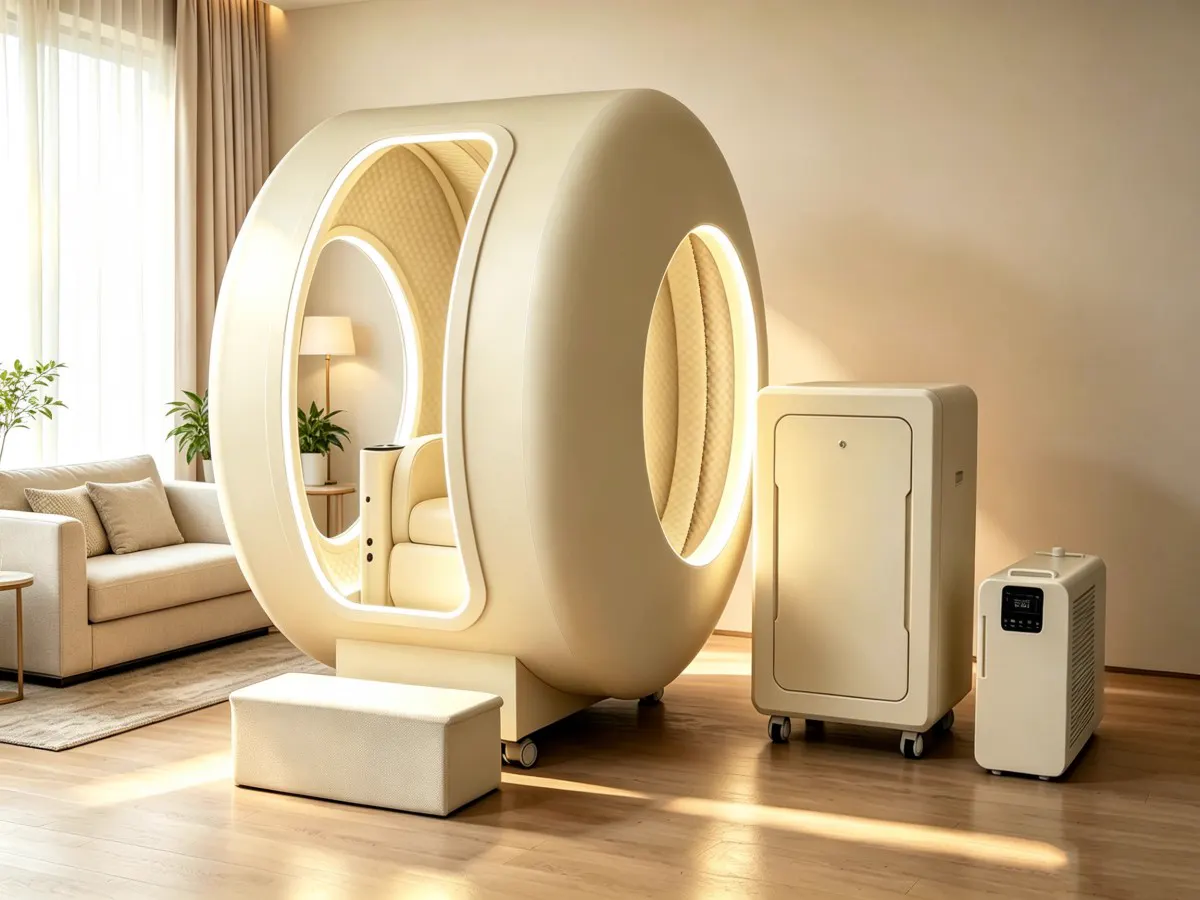
What happens when you breathe oxygen at 2.0 ATA?
Pressure alone does not determine the body’s oxygen exposure. The result also depends on the inhaled oxygen concentration, delivery method, exposure time and individual health factors.
Under normal conditions, most oxygen in the blood is carried by hemoglobin, while only a small amount is dissolved directly in plasma. When a person breathes high-concentration oxygen at 2.0 ATA, the partial pressure of oxygen rises. Under Henry’s law, a higher gas partial pressure allows more gas to dissolve in a liquid. More oxygen can therefore dissolve in blood plasma, increasing the pressure gradient that drives oxygen from blood into tissue.
The measurable physiological changes may include more dissolved oxygen in plasma and higher arterial and tissue oxygen pressure. A fingertip pulse oximeter mainly measures hemoglobin saturation, so it does not show the full change in plasma-dissolved oxygen.
Where can this effect be useful?
In clinical hyperbaric medicine, controlled increases in dissolved oxygen and tissue oxygen availability are used for specific diagnosed conditions. The Undersea and Hyperbaric Medical Society lists recognized applications such as decompression sickness, carbon monoxide poisoning and selected difficult-to-heal wounds.
These medical applications require a defined oxygen concentration, pressure, duration, appropriate equipment and professional oversight. They do not mean that every healthy person will receive the same benefit from every chamber operated at 2.0 ATA.
Is higher pressure always better?
No. Oxygen exposure is a dose involving pressure, oxygen concentration and time. Improper use may cause ear or sinus barotrauma, oxygen toxicity and other risks. The U.S. Food and Drug Administration advises facilities to follow the manufacturer’s instructions and maintain training, grounding, fire prevention, maintenance and safety checks.
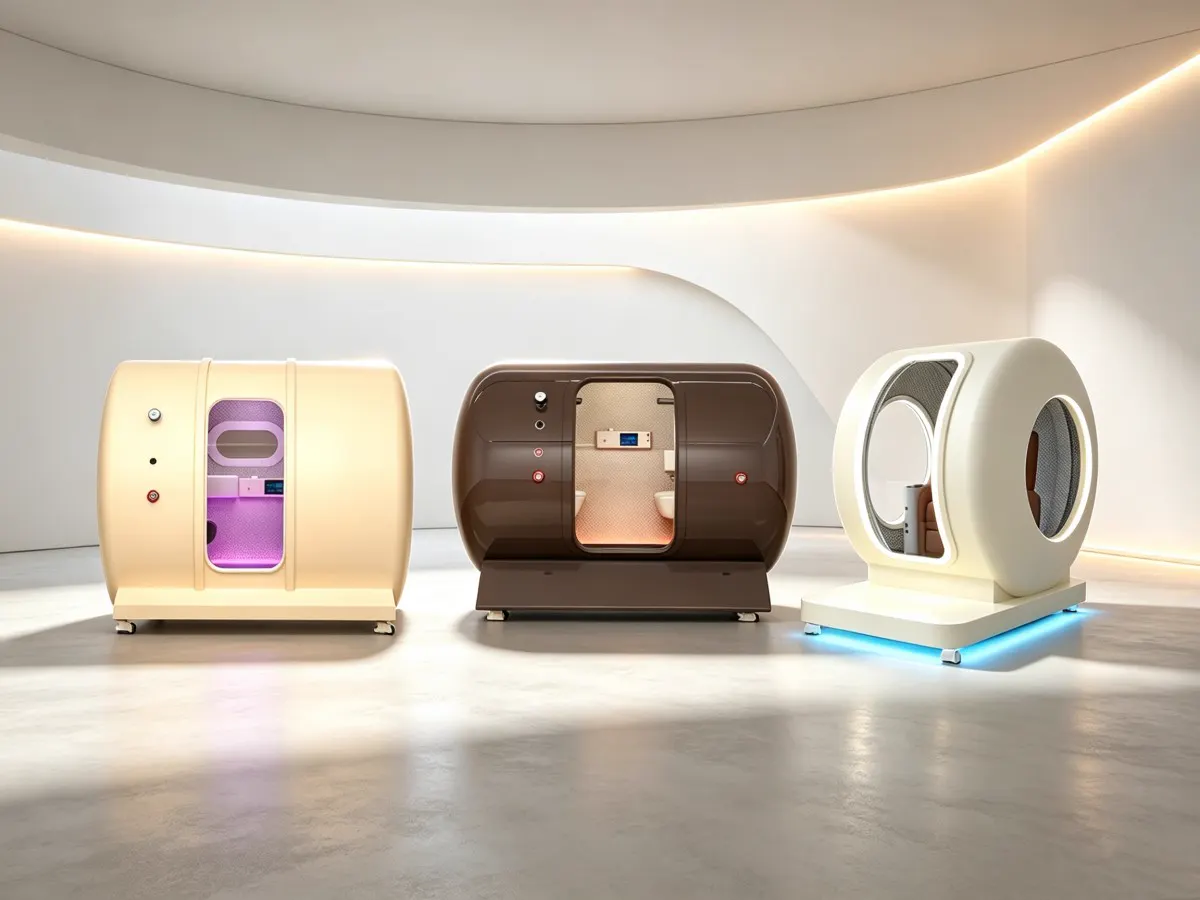
OxySail currently publishes a rated pressure of no more than 2.0 ATA for products shown on its website. The pressure range, oxygen-delivery method and operating requirements of a specific model should be confirmed in its official documents. View the current OxySail hard-shell chamber catalog.
Summary
ATA measures total absolute pressure. At 2.0 ATA, breathing high-concentration oxygen can increase oxygen dissolved in plasma and raise the oxygen pressure available for diffusion into tissue. The actual effect depends on the complete exposure conditions, not the ATA number alone.
References
Continue your research
Related chamber models and buyer resources
Use these model pages and comparison resources to continue from this guide without starting the selection process again.