
Blog
Can You Sleep in a Hyperbaric Chamber? Napping vs. Overnight Sleep
Understand the difference between a brief rest and overnight sleep in a hyperbaric chamber, and why timing, communication, ventilation and equipment instructions matter.
Can you sleep in a hyperbaric chamber? Some people mean a brief nap during stable operation; others understand a “sleep chamber” as equipment they can stay in overnight. These are different situations. Whether rest is permitted depends first on the equipment design, operating instructions and session arrangements.
Pressure range, oxygen delivery, ventilation, control programs, communication systems and permitted operating time can vary between models. A rest arrangement allowed by one device or facility does not automatically become a rule for every hyperbaric chamber.
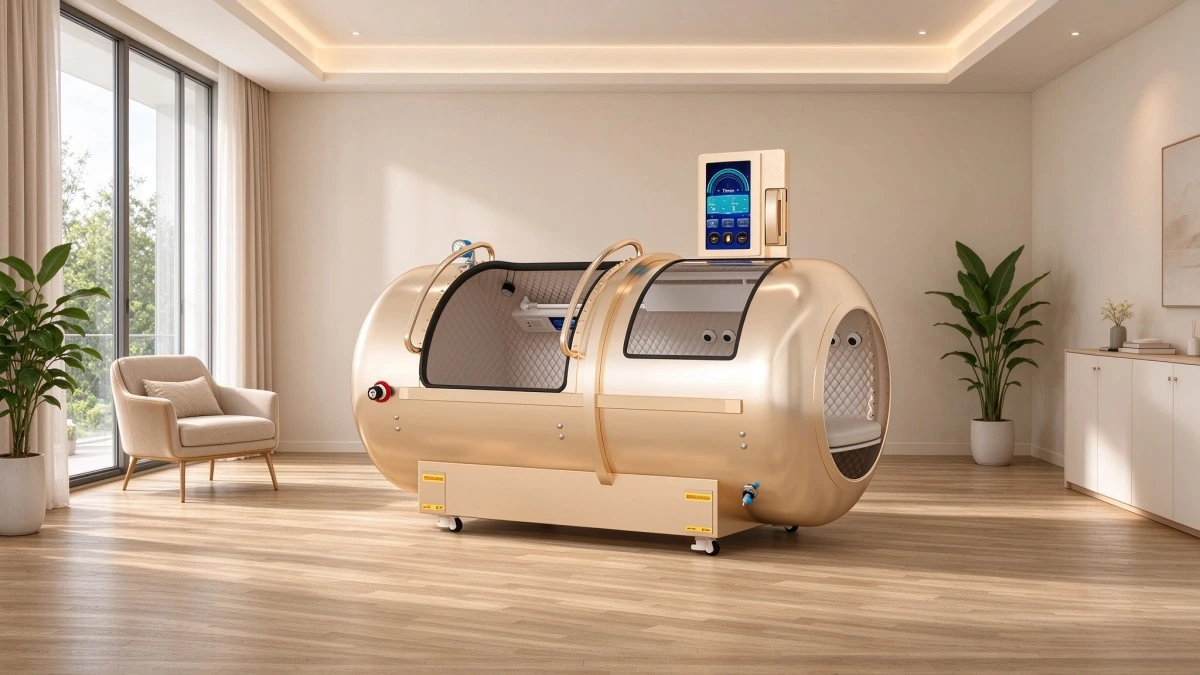
Can You Rest During Stable Operation?
A complete session usually includes preparation, pressurization, stable operation, depressurization and exit. As pressure rises, users may notice ear fullness or airflow sounds. As pressure returns to the surrounding atmospheric level, they may notice ear-pressure changes again.
During pressure changes, users need to notice how they feel and communicate promptly as instructed. They should not plan to sleep through these stages. Significant discomfort should be reported to the person responsible outside the chamber and handled according to the equipment procedure.
For rest during operation, the University of Pennsylvania’s hyperbaric medicine center describes reading, resting or sleeping in its staffed multiplace chamber. This shows that rest can be arranged in a specific setting. It does not establish that all home equipment permits sleep or that an equipment supplier provides on-site personnel.[1]
If the equipment permits rest during stable operation, communication, observation and the ending procedure should still be clear beforehand. Permission to nap comes from the specific equipment and operating arrangements, rather than simply having a seat or room to lie down.
How Is a Brief Nap Different from Staying Overnight?
A brief nap takes place within a session with a defined beginning and end. Overnight sleep lasts longer. It is not a matter of adding several hours to an existing program or remaining inside after the timer ends.
Sleep is not a single unchanging state. The U.S. National Heart, Lung, and Blood Institute explains that sleep cycles between non-REM and REM phases. A cycle usually takes about 80–100 minutes, with four to six cycles in a night. This describes normal sleep; it is not a recommended chamber session length.[2]
Providing space to lie down therefore does not establish suitability for overnight use. Permission for prolonged operation requires checking continuous ventilation, pressure control, temperature, communication, power, alarms and abnormal-event procedures. Without explicit support in formal documentation, a chamber should not be treated as an ordinary bedroom.
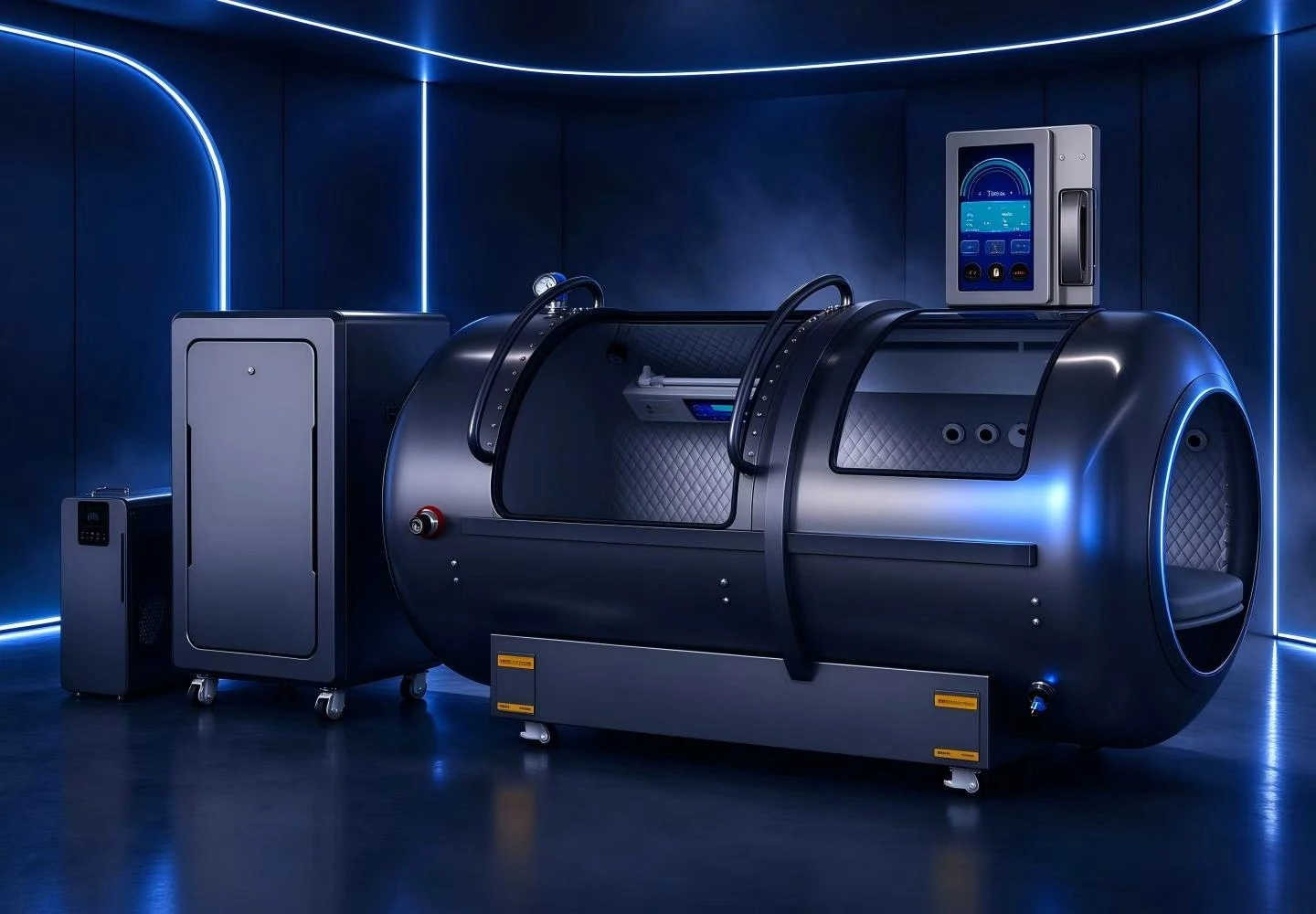
Why Is Comfort Alone Not Enough?
Seating support, windows, lighting, temperature and operating sounds affect comfort, but comfort does not replace checking operating conditions. A spacious appearance or reclining position does not demonstrate suitability for prolonged unattended operation.
- Are pressurization and depressurization procedures clearly documented?
- Can communication be maintained between the inside and outside?
- Are operating time and end-of-session signals clear?
- How do ventilation, pressure control and oxygen delivery work together?
- Which items are permitted, and is someone required to observe from outside?
- What procedure applies if something unusual happens?
The FDA’s HBOT device safety notice for healthcare facilities emphasizes manufacturer instructions, staff training, continuous observation, cleaning, maintenance, fire prevention and prohibited-item controls.[3] That notice concerns medical equipment. It does not demonstrate approval of our products or permission to sleep in them; permitted use still needs to be checked against the relevant documents.
What Should You Ask About a “Sleep Chamber”?
Names such as “sleep chamber” or “rest chamber” do not, by themselves, define permitted operation. Before buying, turn the name into questions that can be verified:
- Is resting or briefly napping during stable operation explicitly permitted?
- What is the permitted session duration, and is continuous operation for several hours allowed?
- How are pressurization, stable operation and depressurization arranged?
- How does communication work, and who is responsible for observation and operation?
- How are ventilation, pressure maintenance and oxygen delivery provided?
- Which clothing, personal items and electronic devices are prohibited?
- What instructions apply to discomfort or a power interruption?
Answers should come from formal instructions and confirmed configurations, rather than promotional images or another person’s experience. Being able to close your eyes and rest inside is different from the equipment being authorized for overnight sleep.
Match Rest Arrangements to the Equipment’s Intended Use
Whether brief rest during stable operation is permitted depends on the specific equipment and operating arrangements. Understand pressure changes, permitted duration, communication and prohibited items before deciding how to rest.
Operation should follow the corresponding product instructions, supplied operating videos and applicable local requirements. Do not infer prolonged-use permission from a comfortable-looking interior, or interpret permission for a brief rest as permission to sleep overnight.
References
Planning an oxygen chamber project?
Share your space, capacity and configuration requirements with our team.